 Recognizing the Duty of an Arborist
An arborist is a professional that specializes in the care and monitoring of trees, bushes, and other woody plants. Their expertise ensures the wellness, safety, and visual allure of the landscapes in which these plants prosper. Arborists play a vital role not only in the upkeep of public parks and arboretums but additionally in household landscape design, concentrating on both the appeal and the well-being of trees within our communities.
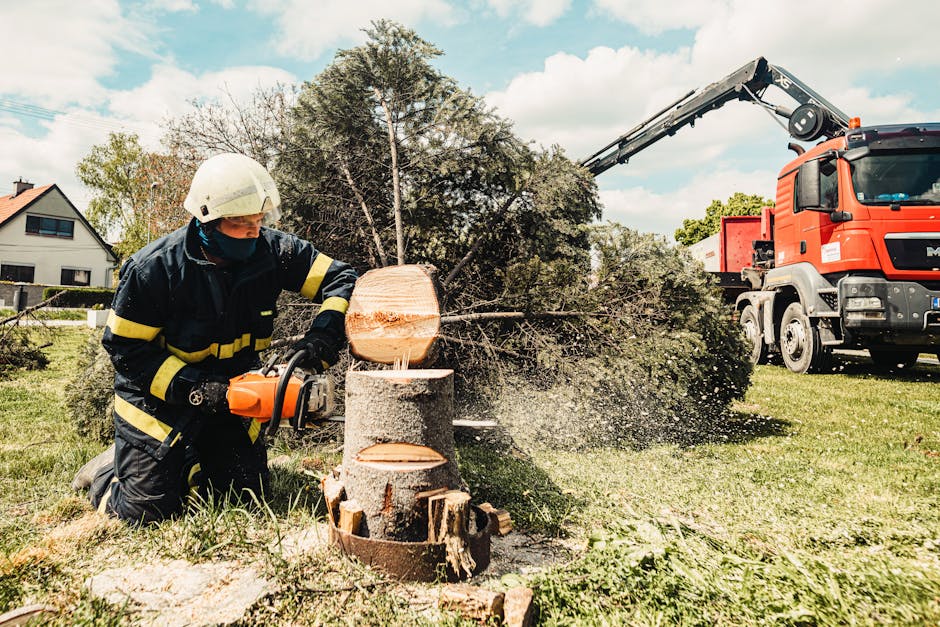
Among the main obligations of an arborist is tree treatment, that includes planting, trimming, and eliminating trees when essential. Pruning is particularly important as it promotes healthy development, boosts air circulation, and helps to remove prospective dangers positioned by dead or weak branches. Arborists use a series of specialized devices and tools, from hand pruners to power saws, to execute these tasks safely and successfully, accounting for the certain needs of each tree species.
In addition to physical tree care, arborists additionally assess tree health and wellness via analysis tools and techniques. They meticulously review tree species, dirt problems, and prospective parasites or diseases that might intimidate the general wellness of the trees. With their substantial expertise of tree biology and ecology, arborists can advise therapies and establish management strategies that could consist of parasite control, fertilizing, and dirt renovation, making sure the long life and sustainability of metropolitan and rural landscapes alike.
Additionally, arborists play an important role in environmental preservation. By advertising tree planting efforts and helping with reforestation efforts, they add to the decrease of carbon footprints and the improvement of biodiversity. As urban areas remain to broaden, the significance of keeping a balance between development and environment-friendly area ends up being significantly noticeable. Arborists are principals in supporting for plans that sustain tree conservation and urban forestry, making them essential for environmental health and neighborhood well-being.
Finally, the duty of an arborist prolongs far past straightforward tree maintenance; it includes an alternative technique to enhancing and maintaining our native environment. With their specialized abilities and knowledge, arborists make sure the health and safety of trees while contributing favorably to our general landscape. As awareness grows pertaining to the value of trees in mitigating climate change and supplying habitat for wildlife, the work of arborists will certainly continue to be vital in developing lasting, dynamic neighborhoods.